



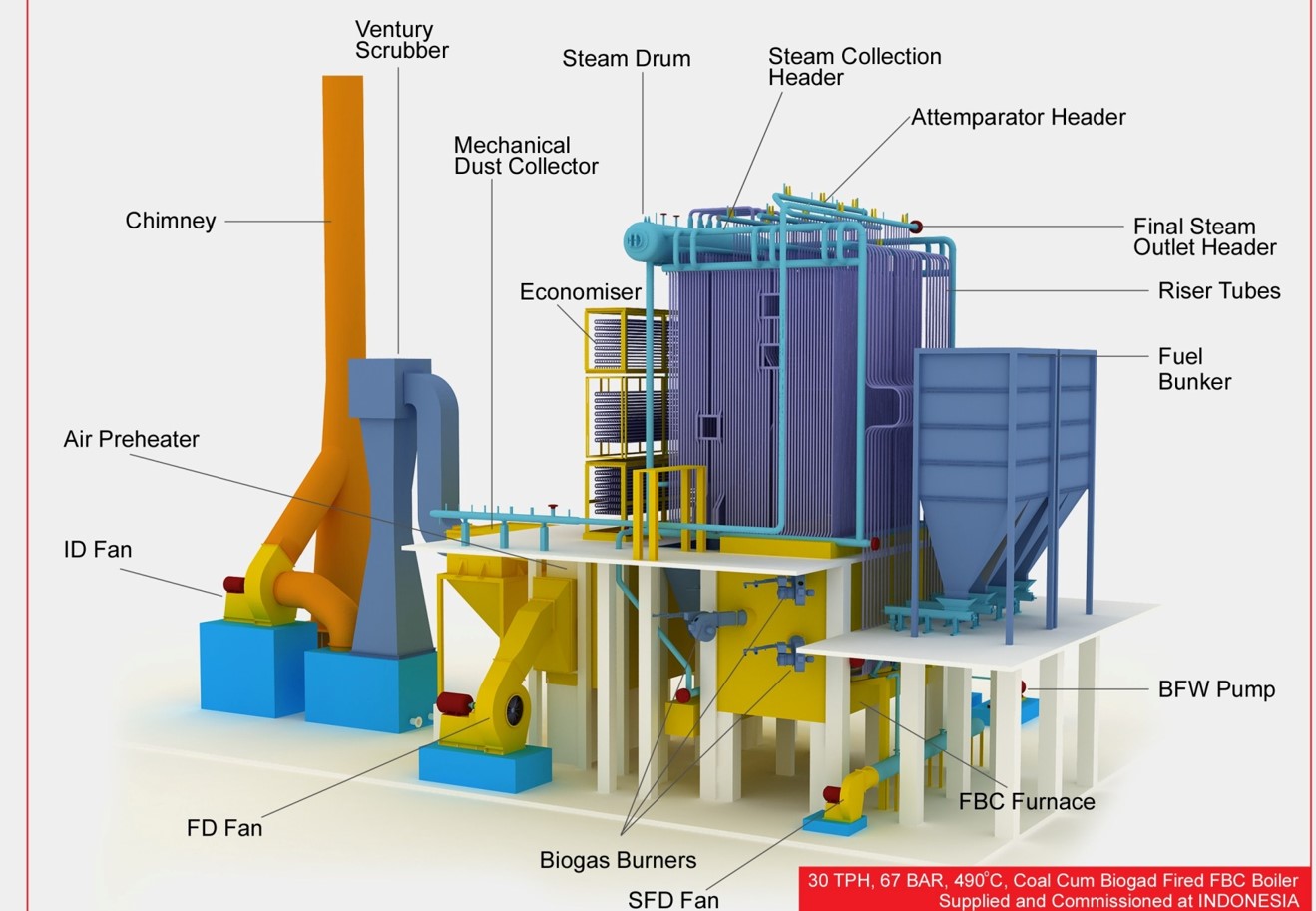
A Single Drum Corner Tube Boiler is a 100% water-tube industrial steam boiler in which a single drum handles steam-water separation while the drum is supported at the corners by the boiler's tube bank a structural arrangement that gives the unit stability without needing multiple drums. Water and steam circulate inside the tubes while hot combustion gases flow around them, transferring heat into the water circuit. This design supports strong natural circulation and is used where a plant needs a robust, high-capacity water-tube boiler for continuous industrial or power-generation steam supply.
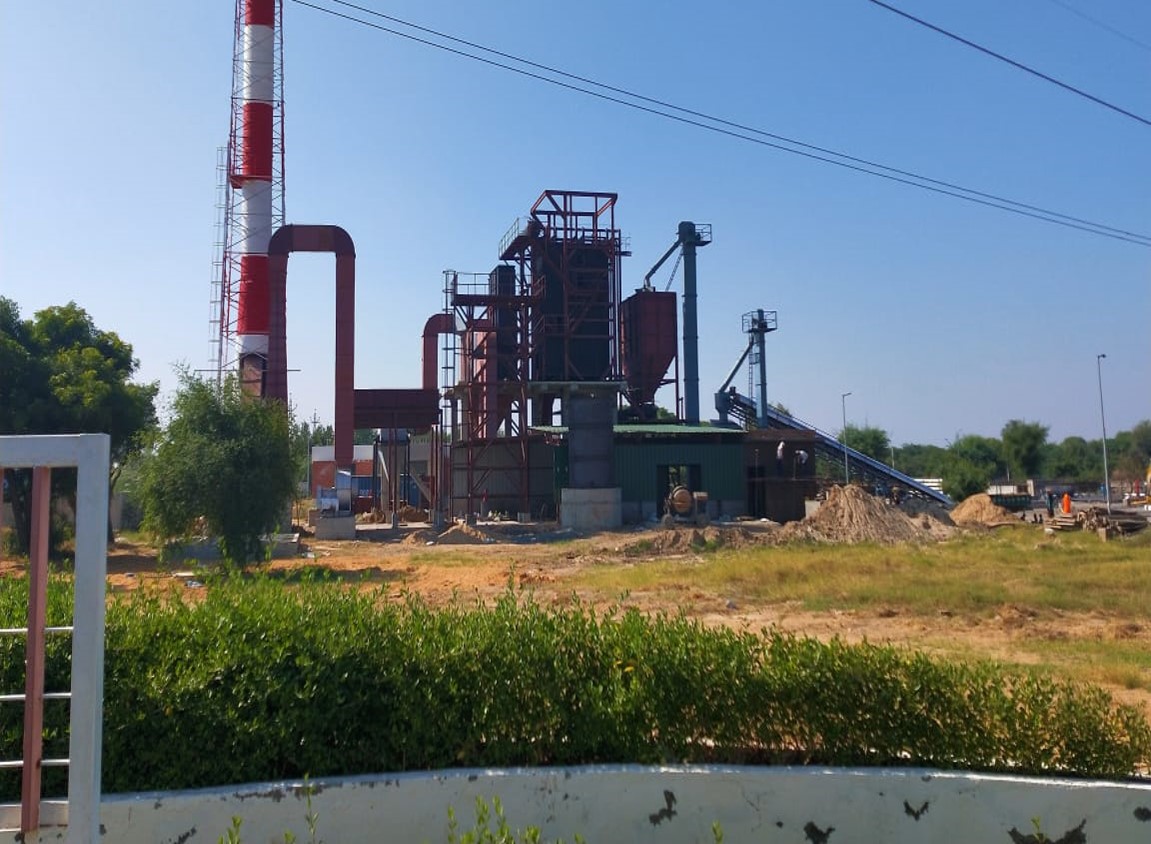
Design & Construction
Single Drum Configuration: A single drum simplifies the overall boiler configuration compared with multi-drum designs, handling steam-water separation and circulation in one vessel while keeping the pressure part relatively compact.
Corner Tube Design: The drum is supported at the corners by the surrounding tube bank rather than resting on a separate structural frame. This contributes to a stable, self-supporting structure that is generally easier to erect on site.
Water Tube Design: Water and steam circulate inside the tubes while hot combustion gases pass around the outside of the tube surfaces, transferring heat into the water circuit as the gases move through the boiler.
Heat Transfer Arrangement: The corner-supported tube layout is intended to provide good natural circulation and a useful heat-transfer surface area, supporting steam generation across the boiler's rated capacity and pressure range.
Working Principle
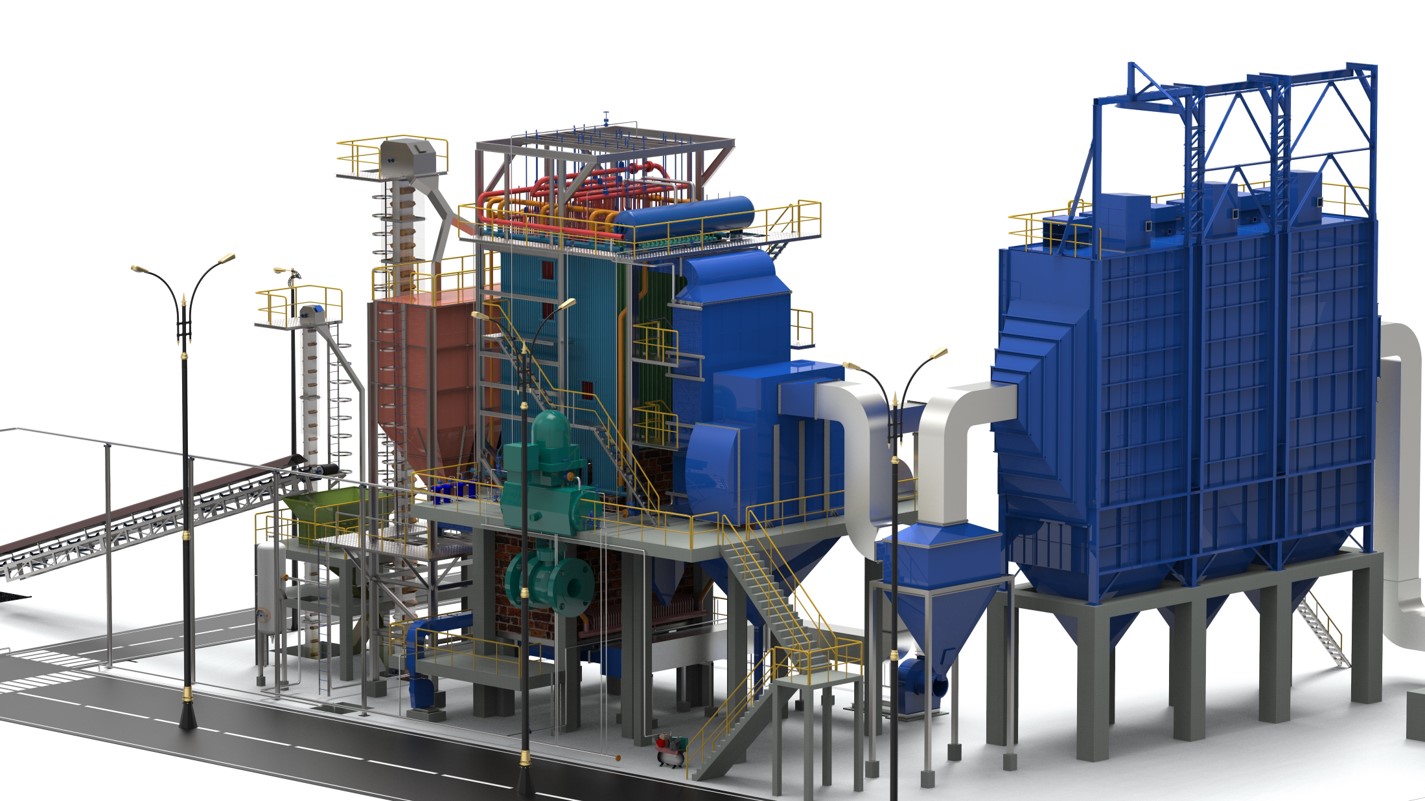
Efficiency & Performance
High Efficiency: Effective water circulation combined with the available heat-transfer surface area contributes to efficient thermal performance across the boiler's operating range.
Rapid Response: Water-tube construction can provide responsive steam generation when steam demand changes, subject to boiler design, sizing, and operating conditions.
Optimized Heat Distribution: Controlled heat distribution across the tube bank helps manage thermal stress and supports reliable, longer-term operation.
Fuel Versatility: The boiler is designed for multi-solid-fuel applications, giving plants flexibility in fuel selection depending on project requirements and local fuel availability.
Continuous Operation: The design supports 24/7 operation with only one or two scheduled maintenance shutdowns per year under typical operating conditions actual intervals depend on fuel, water quality, and load pattern.
Maintenance & Inspection
Routine Inspection: Boiler pressure parts and accessible components should be inspected according to the applicable maintenance schedule.
Tube Inspection: Tubes should be checked periodically for deposits, corrosion, erosion, or other service-related conditions.
Drum Inspection: Periodic drum inspection supports safe steam-water separation and continued reliable operation.
Automatic Cleaning Systems: Where provided, systems such as soot blowers help control deposits on heat-transfer surfaces between shutdowns.
Ash Handling: For solid-fuel operation, appropriate ash handling and cleaning practice is important to sustain boiler performance.
Fuel Handling: Reliable fuel feeding and handling systems support stable combustion and consistent steam output.
Applications
This boiler is used in chemical processing, pulp and paper, and food processing plants requiring high steam output and pressure, as well as small to medium-sized power generation and district heating systems where its efficiency and reliability are well suited. Actual suitability for a given plant depends on the required steam capacity, pressure, fuel characteristics, load profile, and overall plant requirements rather than the industry alone.
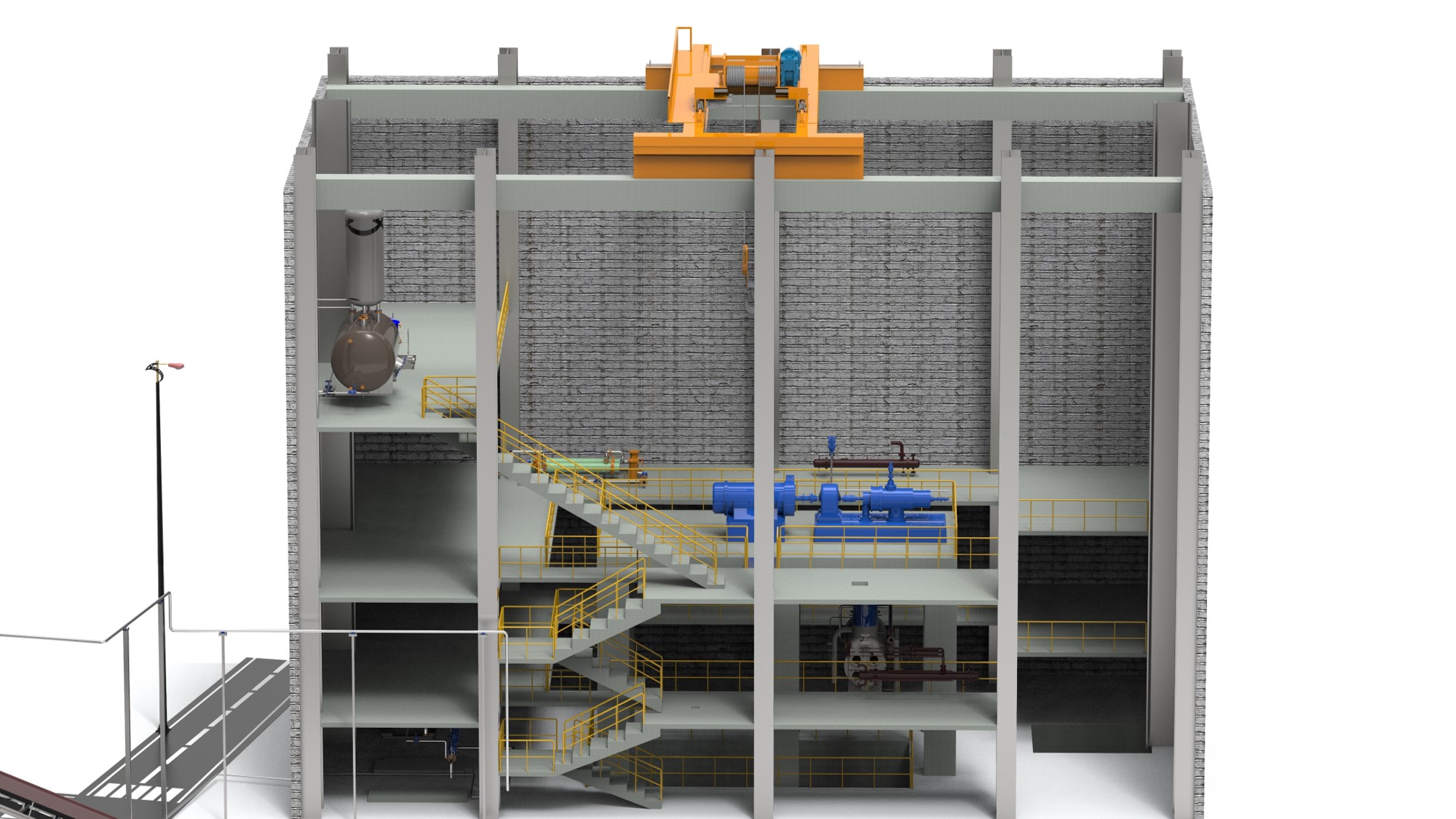
Emission Control
Emission Management: Solid-fuel-fired boiler projects may require appropriate emission-control systems depending on the fuel used and applicable local regulations. Depending on project requirements, options can include low-NOx systems, Flue Gas Recirculation, urea dosing, limestone dosing, scrubbers, and electrostatic precipitators these are applied as needed for a given installation rather than fitted as standard on every unit.
Customization & Scalability
Project-Specific Design: The boiler can be configured according to required capacity, operating pressure, fuel characteristics, and application.
Capacity: Available up to 75 TPH, in the medium-to-high capacity range.
Pressure: Available across 21 to 84 ksc, in the medium-to-high pressure range.
Superheated Steam: Can be configured to generate superheated steam up to 515°C for power-generation applications.
Modular/Scalable Configuration: Configuration can be adapted to project-specific steam capacity and pressure requirements.
Plant Layout: Installation arrangement can account for available space, access requirements, and integration with existing plant systems.
Buyer Considerations
Before finalizing a boiler, industrial buyers should evaluate required steam capacity, operating pressure, fuel type and quality, steam temperature requirements, load profile, operating hours, feedwater quality, ash handling needs, emission-control requirements, available installation space, maintenance access, and applicable statutory requirements for the installation site.
1: What is a Single Drum Corner Tube Boiler?
It's a 100% water-tube industrial steam boiler with a single drum supported at the corners by the surrounding tube bank rather than a separate frame. Water and steam circulate inside the tubes while hot combustion gases flow around them, transferring heat into the water circuit. The corner-tube arrangement gives the structure stability while keeping the design relatively compact for its capacity range, which spans up to 75 TPH.
2: How does a Single Drum Corner Tube Boiler work?
Solid fuel combustion generates high-temperature flue gases, which transfer heat to the water-tube heating surfaces as they pass through the boiler. Water inside the tubes absorbs this heat and converts to steam, which is separated in the drum and supplied to the process. Where the project calls for power generation, the system can be configured to produce superheated steam before flue gases pass through downstream emission-control equipment and are discharged.
3: What are the advantages of a corner tube boiler?
The corner-supported tube arrangement gives the boiler a stable, self-supporting structure that's generally straightforward to erect on site, without needing multiple drums. Water-tube construction supports good circulation and heat transfer, and can respond reasonably quickly to changes in steam demand. The single-drum layout also keeps inspection and maintenance access more manageable than some multi-drum designs.
4: What fuels can be used in a Single Drum Corner Tube Boiler?
This boiler is designed for multi-solid-fuel operation, giving plants flexibility to select fuel based on availability and project requirements rather than being locked to a single fuel type. The exact fuel specification and furnace/grate design are matched to the chosen fuel at the time of order, since combustion characteristics vary between solid fuels.
5: What is the capacity and operating pressure of the Single Drum Corner Tube Boiler?
It's built for medium-to-high duty, with capacity up to 75 TPH and operating pressure from 21 to 84 ksc. The specific capacity and pressure delivered for a given project are engineered to that project's steam demand and process requirements within this range, rather than offered as a single fixed rating.
6: Can a Single Drum Corner Tube Boiler generate superheated steam?
Yes it can be configured to generate superheated steam up to 515°C, which is typically specified for power-generation applications where superheated steam is needed to drive a turbine or meet a specific process requirement. This capability is engineered into the design based on the project's steam-temperature requirement.
7: What maintenance is required for a Single Drum Corner Tube Boiler?
Routine maintenance includes inspection of pressure parts and accessible components, periodic tube inspection for deposits or corrosion, and drum inspection to confirm reliable steam-water separation. Ash handling and fuel handling systems need regular upkeep for solid-fuel operation, and automatic cleaning systems such as soot blowers, where fitted, help manage deposits on heat-transfer surfaces between shutdowns.
8: How do I select the right Single Drum Corner Tube Boiler for my plant?
Start by defining your required steam capacity, operating pressure, and steam temperature (including whether superheated steam is needed), then factor in fuel type and quality, load profile, operating hours, feedwater quality, and ash-handling needs. Available installation space, maintenance access, and applicable statutory requirements for your location should also be discussed with the manufacturer's engineering team before finalizing a specification.
