


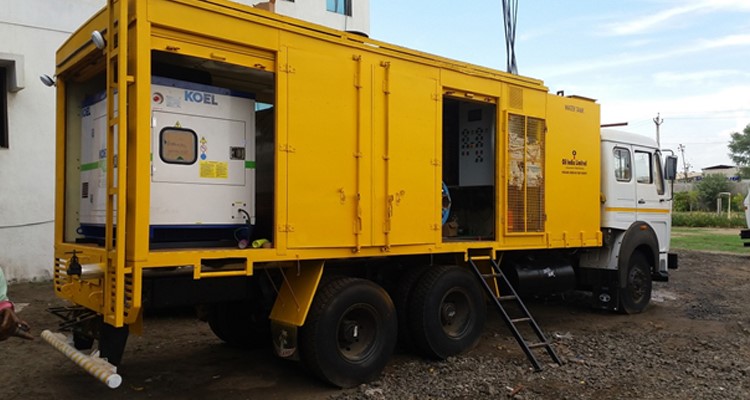
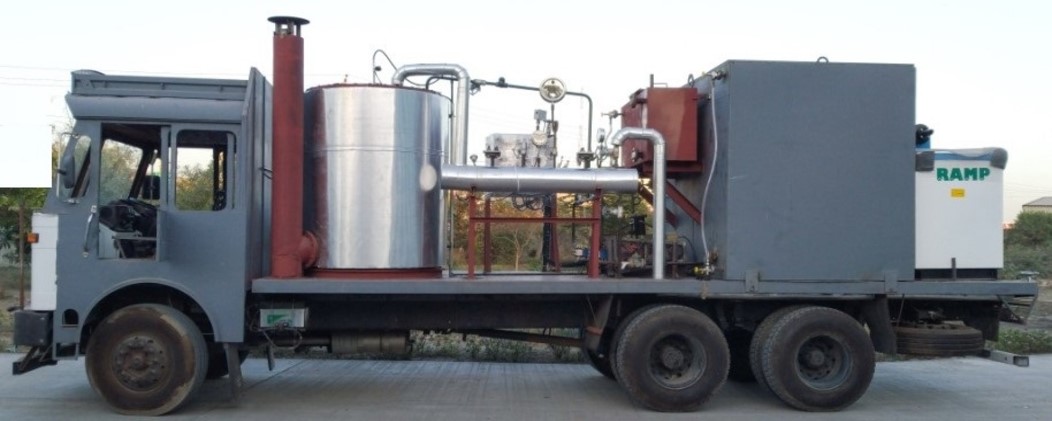
A mobile steam generator is a portable, skid-mounted or trailer-mounted steam boiler system built to supply steam where and when it is required, particularly for temporary, remote, emergency, or multi-site industrial applications. Unlike a permanently installed steam boiler, a mobile steam boiler unit can be relocated between plants, reducing the need for fixed steam infrastructure while meeting short-term or urgent steam demand.
Built for situations where installing a permanent steam boiler is not practical, a mobile steam boiler system supports process heating, plant maintenance shutdowns, construction and commissioning work, and emergency steam supply. Par Boiler's mobile steam generator is engineered as part of its wider oil & gas fired steam boiler range, combining rapid steam production with the portability needed for temporary and multi-location industrial steam requirements.
Maintenance and Inspection
Customization and Scalability
Design and Construction
Efficiency and Performance
For continuous, higher-capacity operations, Par Boiler also manufactures the Waste Heat Recovery Steam Generator, a related oil & gas fired steam boiler solution for recovering usable heat from exhaust gases.
Environmental Benefits
Economic Considerations
Safety and Reliability
Maintenance and Inspection
Customization and Scalability
Integration and Compatibility
Regulatory Compliance
1. What is a mobile steam generator?
A mobile steam generator is a portable, skid-mounted or trailer-mounted steam boiler system built to supply steam at the location where it is needed. It is used for temporary, remote, emergency or multi-site industrial steam requirements without the need for permanent boiler house infrastructure.
2. Where are mobile steam generators commonly used?
Mobile steam generators are commonly used for temporary process heating, plant maintenance and shutdown periods, construction and commissioning activities, emergency steam backup, and industrial operations spread across multiple or remote sites where installing a permanent steam boiler is not practical.
3. How does a mobile steam boiler differ from a conventional steam boiler?
A conventional steam boiler is typically installed as fixed plant equipment with permanent piping, foundations and civil work. A mobile steam boiler is built on a skid or trailer for transport between locations, offering faster deployment and relocation while delivering comparable steam generation performance.
4. Can a mobile steam generator be trailer-mounted or skid-mounted?
Yes. Mobile steam generators are available in both skid-mounted and trailer-mounted configurations. A skid-mounted unit is typically moved by truck or crane, while a trailer-mounted steam generator can be towed directly to site, depending on accessibility, transport requirements and how frequently the unit needs to be relocated.
5. What fuels can a mobile steam generator use?
Depending on the specific design, a mobile steam generator can be configured to run on natural gas, diesel, propane or biofuels. Fuel selection is typically based on local fuel availability at the deployment site, application requirements and applicable emission standards.
6. What are the main benefits of using a portable steam generator?
A portable steam generator offers rapid deployment, operational flexibility to move between sites, and reduced capital investment compared to permanent steam infrastructure. Rental options are also available, making it a practical choice for short-term, seasonal or emergency industrial steam requirements.
7. What safety features are included in a mobile steam generation system?
Mobile steam generation systems are typically equipped with pressure relief valves, automated shutdown systems and temperature controls. Many designs also include automated monitoring that tracks pressure, water level and temperature, triggering alarms or shutdown if operating parameters move outside safe limits.
8. Can a mobile steam generator be customized for specific industrial requirements?
Yes. A mobile steam boiler system can be customized by steam capacity, working pressure, temperature and fuel type to match specific process needs. Multiple units can also be deployed together at one site to meet higher or fluctuating steam demand.
