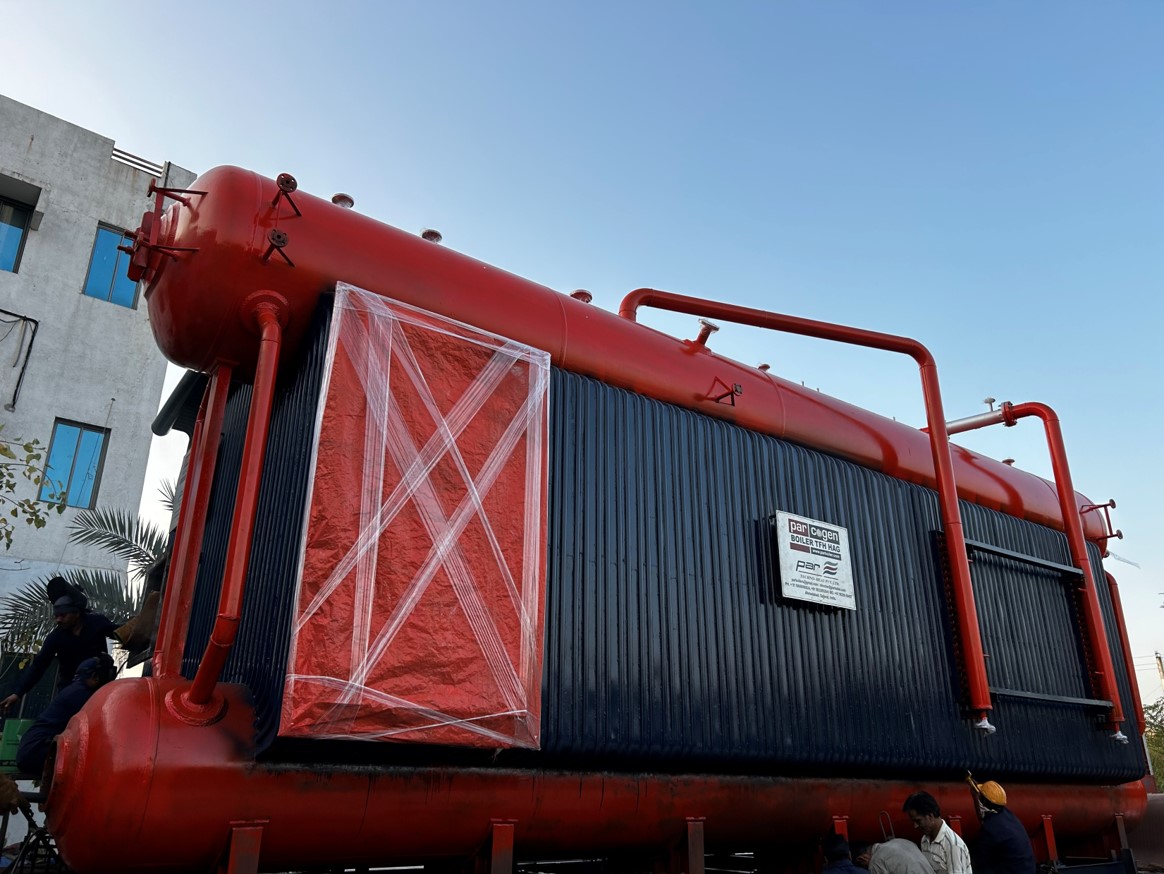
Single Drum Corner Tube Boiler Manufacturer in Ahmedabad India | Solid Fuel Fired Steam Boiler by Par Boiler

Single/Bi Drum D type Boiler


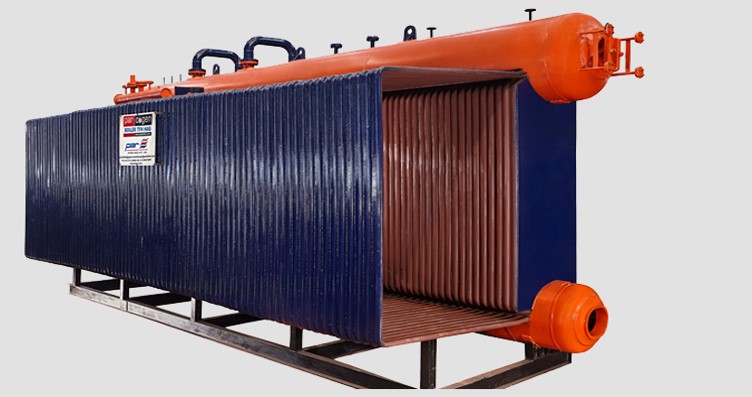
A Single/Bi Drum D Type Boiler is a water-tube industrial steam boiler built in a “D” shaped layout, where the drum(s) and water-tube heating surfaces are arranged to support efficient heat transfer in a compact footprint. It's available in either a single-drum or bi-drum configuration depending on the project's capacity and operating requirements, with water circulating inside the tubes while hot combustion gases pass over them to generate steam. Fired on oil or gas, this boiler is built for continuous industrial steam generation at low-to-medium capacity and pressure.


Key Product Highlights
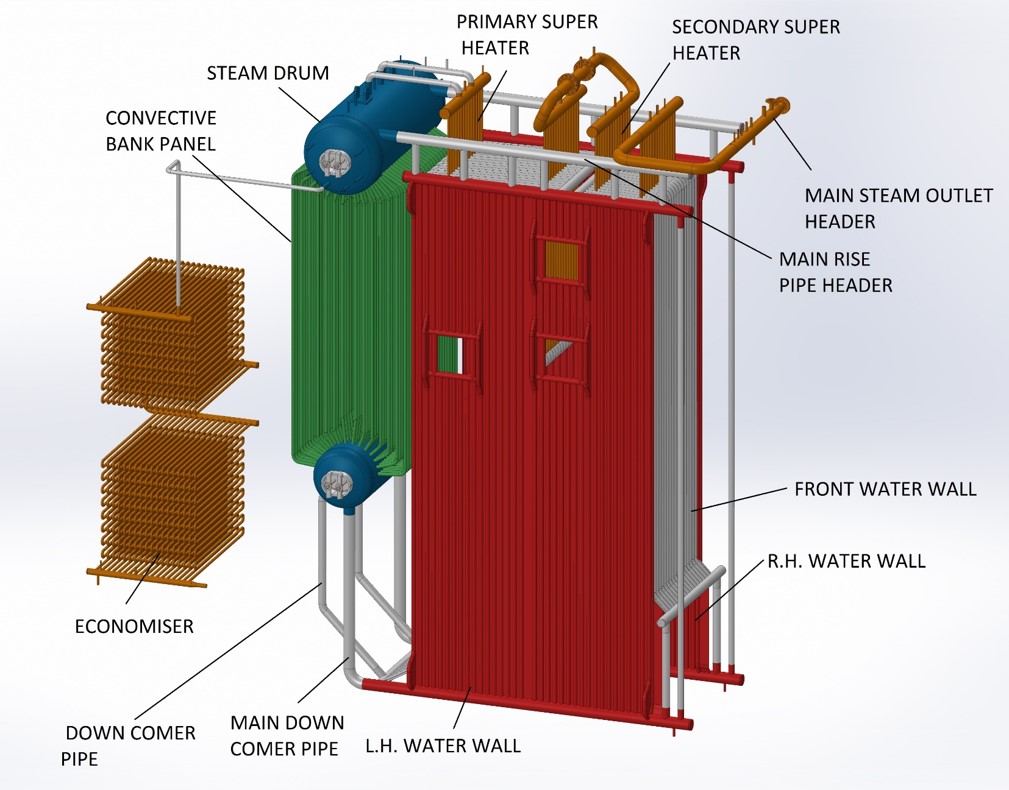
  • 100% Smoke Tube Boiler
  • With Corrugated Integral Furnace
  • Operation & Maintenance: Can be operated 24/7, with only once or twice a year maintenance shutdowns
  • Fuel: Oil & Gas Fuel
  • Capacity: Low to Medium capacity (up to 20 TPH)
  • Pressure: Low to Medium (up to 21 ksc)
High Efficiency Single Drum Corner Tube Boiler Manufacturer in India

Design and Construction

  • D-Type Configuration: Features a D-shaped layout, with the furnace, drum(s), and water-tube heating surfaces arranged to support effective heat transfer and compact boiler construction.
  • Single/Bi Drum Design: Available in single or bi-drum configurations, with the choice typically depending on the project's required capacity, pressure, and operational needs.
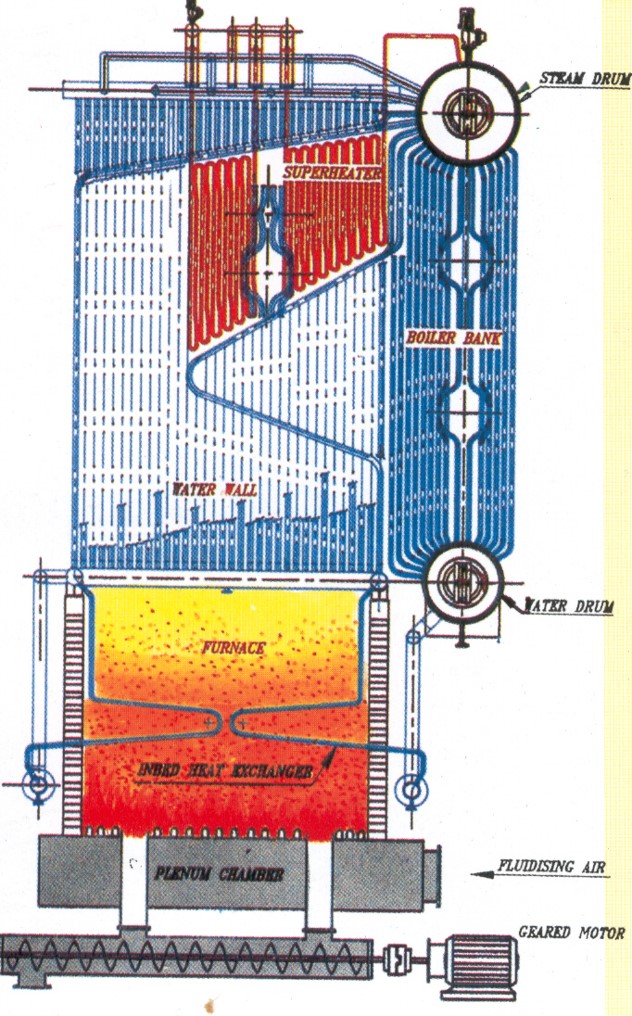
  • Water Tube Design: Water and steam circulate inside the tubes while hot combustion gases flow over them, transferring heat for rapid steam generation.


Efficiency and Performance

  • High Thermal Efficiency: The D-type layout supports efficient heat transfer, contributing to strong thermal performance across the operating range.
  • Rapid Steam Production: The water-tube design supports a quicker response to changes in steam demand, useful for processes with variable steam output needs.
  • Optimized Heat Distribution: More even heat distribution helps reduce thermal stress and can support consistent performance over the boiler's operating life, subject to operating conditions.


Safety and Reliability

  • High Pressure Capability: The robust water-tube construction suits higher-pressure applications within the boiler's rated range.
  • Inherent Safety: Lower water content compared to fire-tube boilers reduces the water volume involved in a failure scenario.
Industrial Steam Boiler Manufacturer Gujarat India

Maintenance and Inspection

  • Ease of Maintenance: The D-type configuration and accessible layout support straightforward maintenance and inspection.
  • Automated Cleaning Systems: Can be equipped with soot blowers and other automated cleaning systems to help maintain efficiency.
  • Modular Design: Supports easier replacement of parts and components, helping reduce downtime.
  • Routine upkeep should also include periodic tube and furnace inspection, cleaning of heat-transfer surfaces, burner/combustion checks, and inspection of safety devices as part of standard preventive maintenance.


Combustion and Fuel Flexibility

  • Fuel Versatility: Designed to run on oil or natural gas, with the exact fuel and burner selection matched to the project specification.
  • Efficient Combustion: A well-tuned combustion system supports more complete fuel burn, helping optimize fuel use and manage emissions; actual combustion efficiency depends on burner selection, control, and operating conditions. For plants weighing a different smoke-tube configuration, the 3/5 Pass Horizontal Smoke Tube Wetback Boiler is another oil/gas-fired option worth comparing based on steam demand.
Industrial Corner Tube Steam Boiler Manufacturer in Ahmedabad

Applications

  • Industrial Processes: Suited to industries requiring higher steam output and pressure, such as power generation, chemical processing, and food manufacturing.
  • Power Plants: Commonly used in small to medium-sized power plants for steam generation.
  • Final suitability depends on the plant's actual steam demand, operating pressure, fuel availability, and layout requirements. Buyers needing a higher-capacity water-tube alternative may also want to review the Bi Drum Water Tube Boiler or the 4 Pass Single Drum Water Tube Boiler, depending on fuel and capacity requirements.


Emission Control

  • Low Emissions: Emission levels depend on fuel type, burner configuration, combustion control, operating conditions, and the regulations applicable at the installation site. The boiler can be configured with low-NOx burners and other emission-control technologies where project requirements call for them.


Customization and Scalability

  • Modular and Customizable: Design can be tailored to project-specific capacity, pressure, plant layout, controls, and additional features based on project requirements.
  • Scalable Design: Suitable for a range of applications, with the configuration adaptable to different steam capacity needs.


Economic Considerations

  • Cost-Effective Operation: High efficiency and flexible fuel options can support lower operating costs, depending on fuel utilization and maintenance practices.
  • Long-Term Investment: Durable, reliable operation supports good lifecycle value, influenced by operating hours, maintenance, and installation quality.
  • Reduced Installation Costs: The modular design can help reduce on-site installation time and cost.


Regulatory Compliance

  • Standards and Certifications: Designed to comply with international standards such as ASME, IBR, and PED.
  • Regular Inspections: Subject to regular inspections and audits; applicable compliance requirements depend on the project location and relevant statutory codes.


Frequently Asked Questions About Single/Bi Drum D type Boiler

1. What is a Single/Bi Drum D Type Boiler?

It's a water-tube industrial steam boiler built in a D-shaped layout, with the drum(s) and tube bank arranged for efficient heat transfer in a compact design. It's available in single- or bi-drum configurations and fired on oil or gas, built for industrial steam generation up to 20 TPH and 21 ksc.


2. What is the difference between a single drum and bi-drum D type boiler?

A single-drum version uses one drum for steam-water separation, while a bi-drum version adds a second drum to support higher circulation volume. The choice depends on the project's required capacity and operating conditions, with bi-drum configurations generally suited to higher steam demand within the boiler's range.


3. How does a D Type Water Tube Boiler work?

Fuel combustion generates hot gases that pass over the water-tube heating surfaces arranged in the D-shaped layout. Water and steam circulating inside the tubes absorb this heat and convert to steam, which is separated in the drum(s) and supplied to the industrial process.


4. What fuels can be used in a D Type Boiler?

This boiler is designed for oil and gas firing, with the burner and combustion system matched to the specific fuel and project specification. Fuel selection depends on the boiler's design and the buyer's fuel availability rather than a single fixed fuel type.


5. What capacity and pressure range is available for this boiler?

The Single/Bi Drum D Type Boiler is available in a low-to-medium range, with capacity up to 20 TPH and pressure up to 21 ksc. The specific rating delivered for a project is engineered within this range to match the plant's steam demand.


6. What industries use Single/Bi Drum D Type Boilers?

It's used in industrial processes such as power generation, chemical processing, and food manufacturing, as well as small to medium-sized power plants. Final suitability depends on the plant's steam demand, pressure, fuel, and layout requirements.


7. What maintenance does a D Type Boiler require?

Routine maintenance includes tube and furnace inspection, cleaning of heat-transfer surfaces, burner and combustion checks, and inspection of safety devices. Automated cleaning systems such as soot blowers can be added to help maintain efficiency between shutdowns.


8. How do I select the right D Type Boiler for my industrial application?

Start with your required steam capacity and pressure within the 20 TPH / 21 ksc range, then factor in fuel availability (oil or gas), operating hours, and plant layout. Maintenance access and applicable compliance requirements should also be discussed with the manufacturer's engineering team before finalizing a specification.