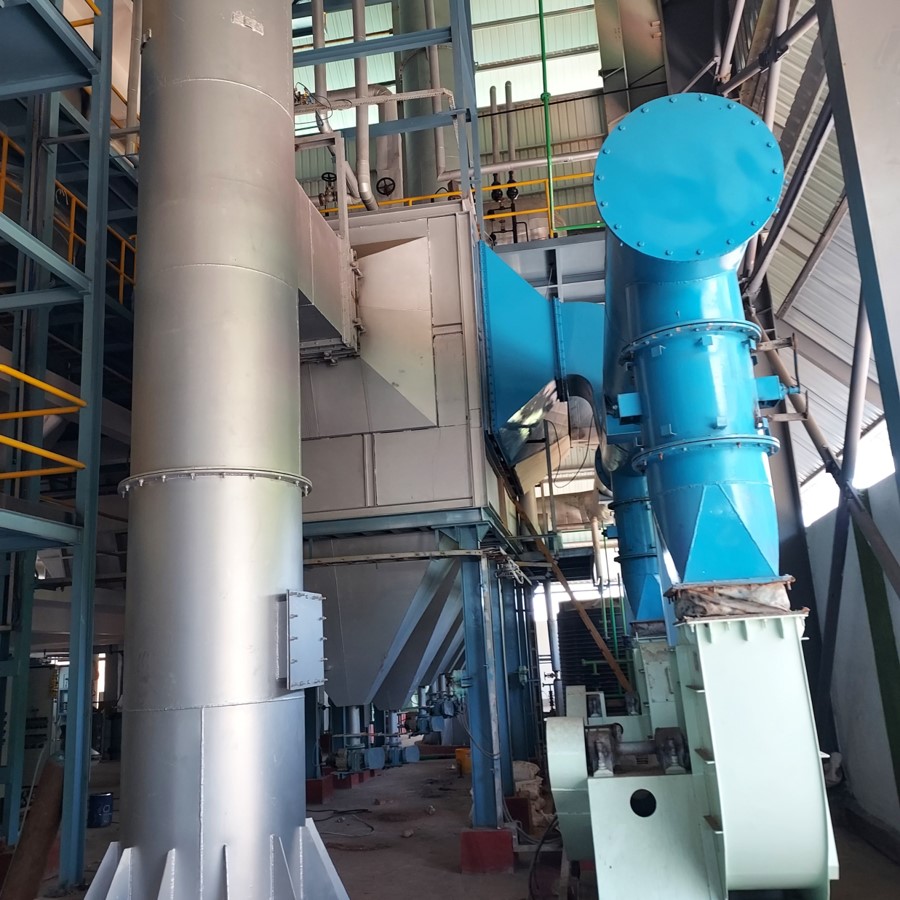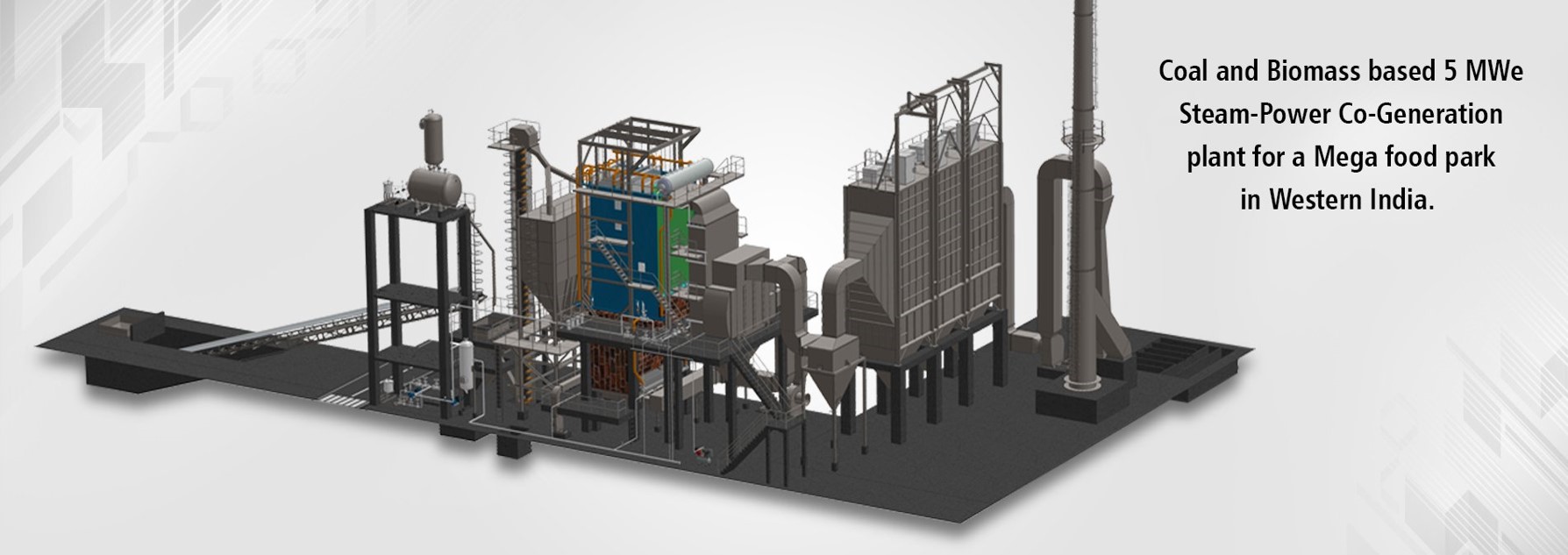

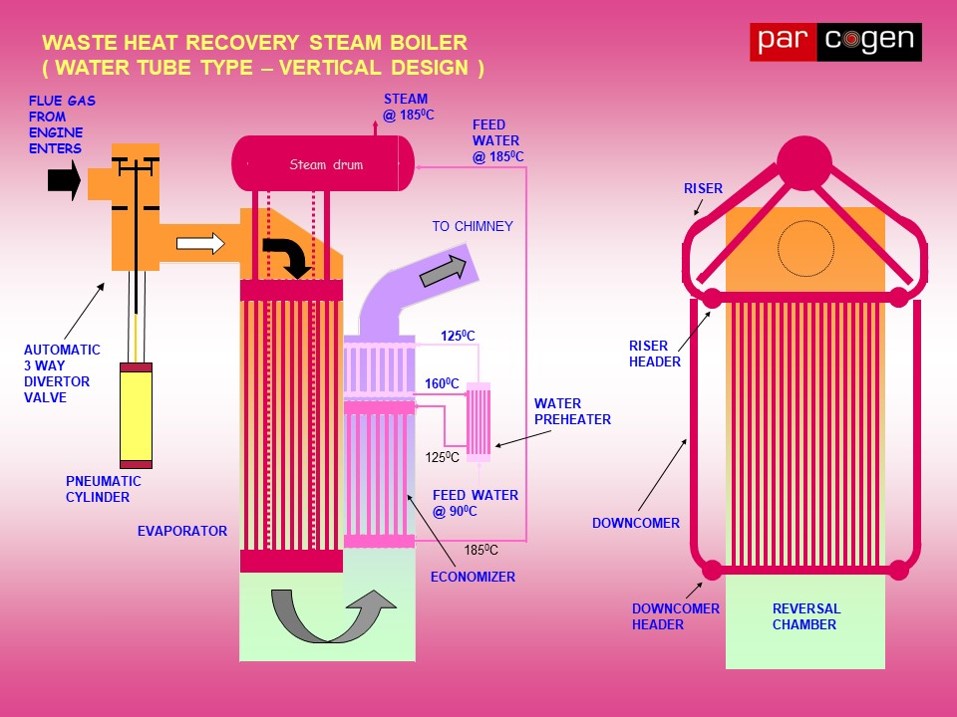
Waste Heat Recovery Steam Generator

Waste Heat Recovery Steam Generator


A Waste Heat Recovery Steam Generator is a heat-recovery system that captures heat from waste gas a by-product of an industrial process and uses it to generate steam, instead of that heat being discharged unused. High-calorific waste gas can be burned in a burner to supply this heat, or, where the waste gas is already at high temperature, it can be used directly as a hot stream to generate steam or power. Industries use it to make better use of energy already present on site rather than relying solely on additional fuel.


Key Product Highlights
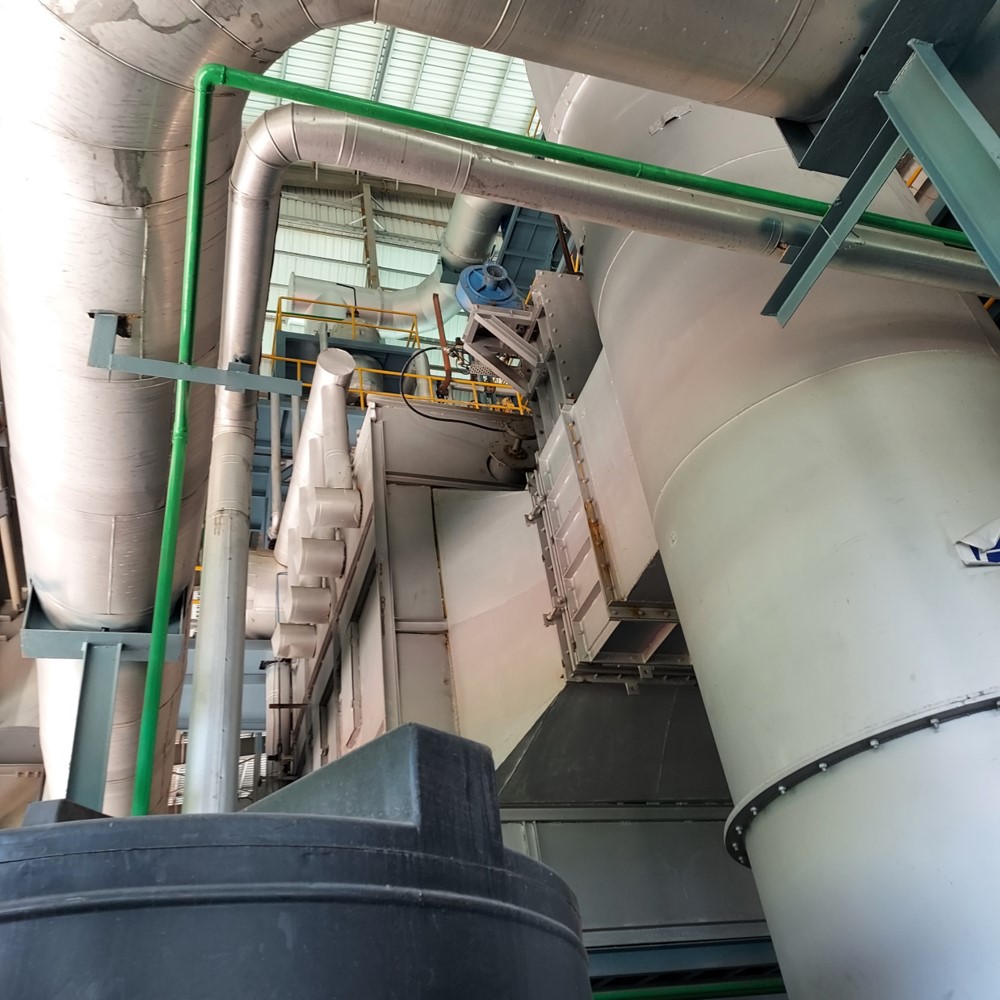
  • Recovers heat from waste gas, a by-product from the plant
  • Fuel: Waste gases
  • High-calorific waste gas can be burned in a burner where additional heat input is needed
  • High-temperature waste gas can be used directly as a hot stream to generate steam or power
Waste Heat Recovery Steam Generator Manufacturer in Ahmedabad Gujarat India

How It Works

  1. Hot waste gas or exhaust stream enters the heat recovery system.
  2. Heat is transferred through the heat exchanger surfaces.
  3. Feedwater absorbs the recovered heat.
  4. Steam is generated.
  5. Steam can be used for industrial processes or power generation.
  6. Cooled exhaust gases continue toward the downstream system.


Efficiency and Performance

  • Energy Efficiency: Converts waste heat into steam, improving overall plant energy utilization by recovering heat that would otherwise be lost.
  • High Thermal Efficiency: Advanced designs maximize heat transfer for effective steam generation, though actual performance depends on waste gas temperature, gas flow, and heat exchanger design.
  • Enhanced Productivity: Provides additional steam for power generation or industrial processes, with the achievable gain depending on available waste heat and required steam conditions.


Applications

  • Industrial Processes: Widely used in industries such as cement, steel, glass, and chemical processing, where large amounts of waste heat are generated and process steam is needed.
  • Combined Heat and Power (CHP): Integral to CHP systems, where both electricity and useful heat are produced from a single energy source.
  • Gas Turbines and Engines: Recovers heat from gas turbines and reciprocating engines in power plants and manufacturing facilities, supplementing steam supply that would otherwise need a dedicated boiler such as the 3/5 Pass Horizontal Smoke Tube Wetback Boiler.
Industrial Waste Heat Recovery Steam Generator by Par Boiler

Environmental Benefits

  • Reduced Emissions: Recovering otherwise unused heat can reduce the need for additional fuel to generate steam, depending on the plant's configuration and waste heat availability.
  • Sustainability: Supports better energy utilization in industrial operations, contributing to a lower carbon footprint without guaranteeing a specific reduction figure.


Economic Considerations

  • Cost Savings: Reduces fuel consumption and operating costs by utilizing waste heat that's already being generated on site.
  • Return on Investment: Project economics depend on factors such as waste heat availability, operating hours, steam demand, fuel prices, and existing plant configuration.
  • Incentives and Grants: May be eligible for government incentives, grants, or tax credits depending on location and applicable schemes.


Safety and Reliability

  • Robust Design: Built with materials suited to withstand harsh operating conditions and high temperatures.
  • Reliable Operation: Designed for long-term performance with routine maintenance requirements.
  • Safety Features: Equipped with pressure relief valves, temperature controls, and automated shutdown systems to help protect the system and maintain safe operation.


Customization and Scalability

  • Tailored Solutions: Configuration can be adapted to the specific heat source, gas flow, temperature, and required steam conditions for the project.
  • Scalable Design: Modular units can be added or adjusted to scale with plant capacity and future process changes.
High Efficiency Waste Heat Recovery Steam Generator Manufacturer India

Maintenance and Inspection

  • Ease of Access: Designed for easy access to critical components for routine maintenance and inspection.
  • Automated Systems: Can include automated monitoring and control systems, alongside periodic heat-transfer surface and fouling/deposit checks, to help maintain performance.
  • Minimal Downtime: Modular construction and durable materials help reduce maintenance downtime and extend service intervals.


Integration and Compatibility

  • Seamless Integration: Designed to integrate with existing industrial processes, power plants, and manufacturing facilities.
  • Compatibility: Compatible with various heat sources, including flue gases, exhaust streams, and other waste heat sources, with final integration depending on the specific heat source and plant engineering requirements. Where a dedicated oil/gas-fired unit is also needed alongside heat recovery, the Single/Bi Drum D Type Boiler is a related option in the same product range.


Frequently Asked Questions About Waste Heat Recovery Steam Generator?

1. What is a Waste Heat Recovery Steam Generator?

It's a system that captures heat from waste gas generated by an industrial process and converts it into steam, rather than letting that heat go unused. High-calorific waste gas can be burned in a burner, or high-temperature waste gas can be used directly as a hot stream, depending on the source characteristics.


2. How does a Waste Heat Recovery Steam Generator work?

Hot waste gas enters the system and passes through a heat exchanger, where heat transfers to feedwater circulating through the unit. The feedwater absorbs this heat and converts to steam, which is then used for industrial processes or power generation, while the cooled exhaust gas continues downstream.


3. What types of waste heat sources can be used?

The system is compatible with various waste heat sources, including flue gases, exhaust streams from gas turbines and reciprocating engines, and other high-temperature waste gases from industrial processes. Suitability depends on the gas temperature, flow, and characteristics of the specific heat source.


4. What industries use waste heat recovery steam generators?

They're widely used in cement, steel, glass, and chemical processing industries, where large amounts of waste heat are generated, as well as in Combined Heat and Power (CHP) systems and facilities using gas turbines or reciprocating engines for power generation.


5. Can a waste heat recovery system generate steam for industrial processes?

Yes recovered heat is converted into steam that can be used directly for industrial process needs or for power generation, depending on plant requirements. The system can be configured for different temperatures, pressures, and flow rates based on the specific application.


6. What factors affect the performance of a waste heat recovery steam generator?

Performance depends on the waste gas temperature and flow, the characteristics of the heat source, the heat exchanger design, and the steam conditions required by the plant. Because these factors vary by site, actual performance is evaluated based on the specific project's operating conditions.


7. What maintenance does a waste heat recovery steam generator require?

Routine maintenance includes inspection of heat-transfer surfaces, monitoring for fouling or deposits, and checking instrumentation and automated control systems. The modular design is built for easy access to critical components, which helps keep maintenance downtime and service intervals manageable.


8. How do I determine whether waste heat recovery is suitable for my plant?

Start by identifying your available waste heat source, its temperature and flow characteristics, and your plant's steam demand and operating hours. From there, a manufacturer's engineering team can assess whether the waste heat is sufficient to justify a recovery system and recommend a suitable configuration.