



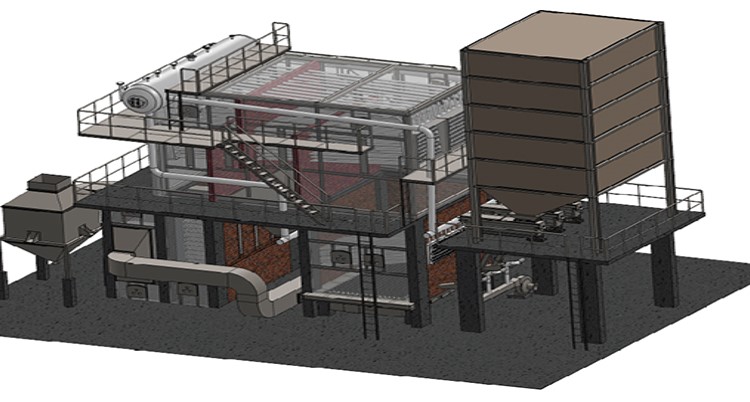
A 4 Pass Single Drum Water Tube Boiler is an industrial steam boiler in which water and steam circulate inside tubes while hot combustion gases travel around those tubes across four separate heat-transfer passes before exiting the unit. The single drum handles steam-water separation and circulation, and the four-pass gas path gives combustion gases a longer route across the heat-transfer surface, improving contact time and heat recovery before the flue gases leave the boiler. This configuration is commonly selected where a plant needs a compact, reliable water-tube unit for continuous industrial process steam.
Design & Construction
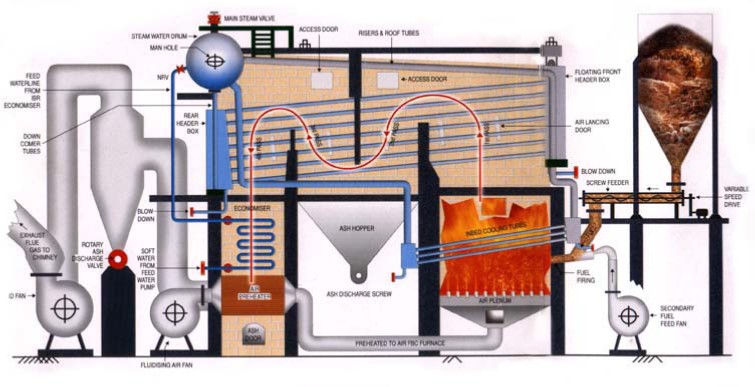
Single Drum Configuration: The single drum is where steam separates from water before being drawn off for use, while the remaining water recirculates through the tube bank. This keeps the pressure part of the boiler simpler than a bi-drum design, which also supports more straightforward inspection and maintenance access.
Four-Pass Flue Gas Design: Combustion gases are routed through four successive passes across the heat-transfer surface instead of exiting after a single pass. Each additional pass gives the gas more time and surface area to give up heat before it leaves the boiler.
Water Tube Design: Water and steam circulate inside the tubes, while hot combustion gases flow around the outside of those tubes. This arrangement, compared with fire-tube designs, generally supports faster circulation response and is suited to higher-pressure duty.
Heat-Transfer Arrangement: The combined single-drum and four-pass layout is intended to balance compact construction with an extended gas-side heat-transfer path, so more of the available heat in the flue gas is transferred to the water/steam circuit before it exits the stack.
Working Principle
The multi-pass arrangement matters because a single pass alone would let a large share of the combustion heat escape unused routing the gas through additional passes recovers more of that heat before discharge.
Efficiency & Performance
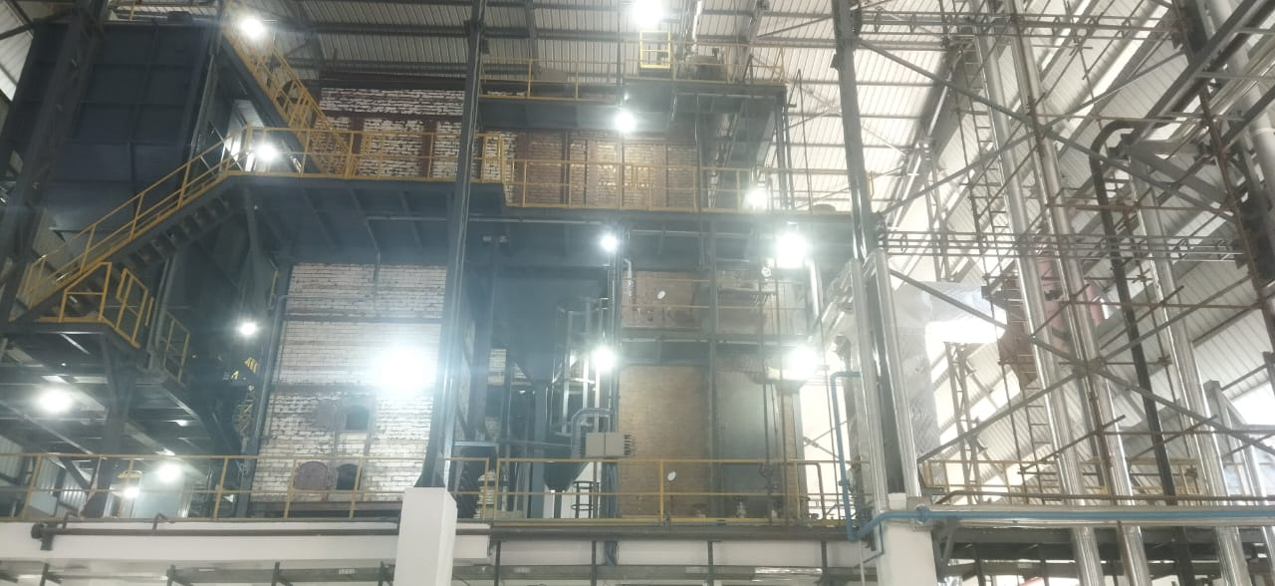
Efficient Heat Transfer: The four-pass arrangement provides additional heat-transfer path length, supporting more complete recovery of usable heat from the combustion gases before they leave the unit.
Stable Steam Generation: The water-tube, single-drum layout is built for continuous industrial process-steam duty rather than intermittent, low-demand use.
Thermal Performance: Actual thermal performance in the field depends on combustion quality, heat-transfer-surface condition, and operating control, not on boiler design alone.
Load Response: Water-tube construction generally supports a reasonably quick response to changes in steam demand compared with larger-water-volume designs.
Heat Distribution: Controlled, balanced heat transfer across the four passes helps limit uneven thermal stress on tubes and supports reliable long-term operation.
Maintenance & Inspection
Tube Inspection: Regular inspection of boiler tubes helps identify fouling, corrosion, erosion, or other service-related wear before it affects performance.
Drum Inspection: Periodic drum inspection supports safe, reliable steam-water separation and continued safe operation.
Heat-Transfer Surface Cleaning: Cleaning frequency depends on fuel type, operating conditions, and the deposits that particular fuel produces.
Feedwater Quality: Proper water treatment and monitoring help control scale formation and corrosion risk inside the tubes and drum.
Safety & Instrumentation: Safety devices, controls, and instruments should be inspected and maintained per applicable operating and statutory requirements.
Combustion System: Regular inspection and adjustment of the combustion equipment supports stable firing and consistent operation.
Applications
This boiler configuration is used across process manufacturing, textile manufacturing, food processing, chemical industries, pharmaceutical manufacturing, paper industries, sugar industries, and general industrial steam generation. Suitability for a given plant depends on the required steam capacity, operating pressure, fuel, operating profile, and overall plant requirements not on the boiler type alone.
Customization & Scalability
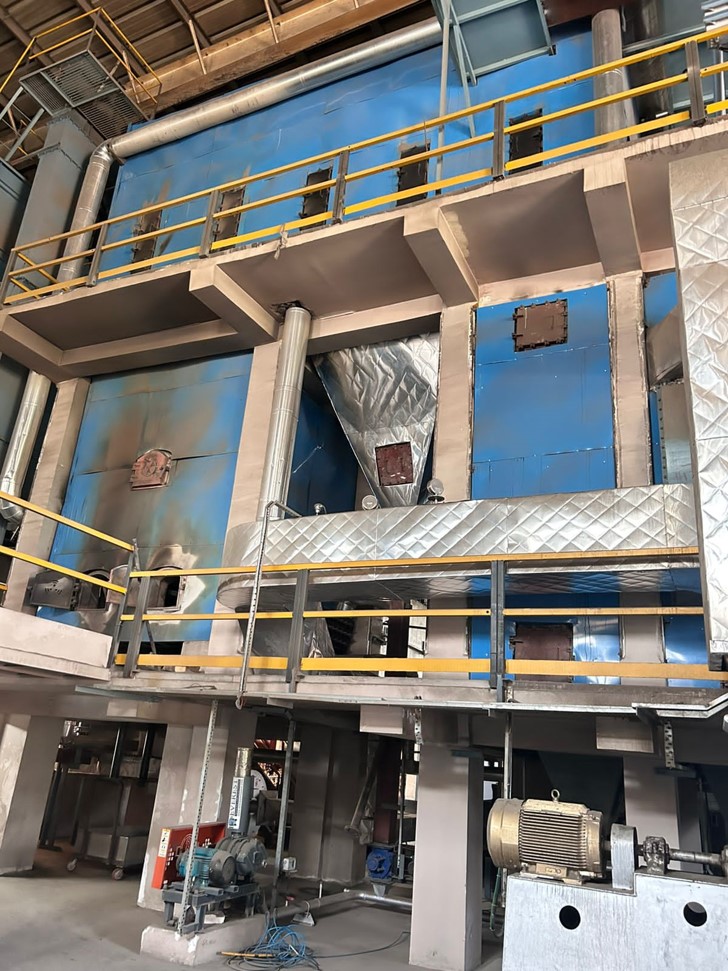
Application-Specific Design: Configuration can be developed according to steam demand, operating pressure, fuel, process requirements, and plant conditions.
Fuel Compatibility: Fuel options are matched to the furnace and firing arrangement specified for the project.
Space & Layout: Boiler arrangement can be planned around available installation space, access requirements, and existing plant layout.
Automation & Controls: Automated controls and monitoring can be incorporated where the project calls for them.
Auxiliary Integration: The boiler can be integrated with feedwater, fuel-handling, combustion, steam, and other auxiliary systems as required by the project.
Economic Considerations
Efficient Operation: Boiler design, combustion control, heat recovery, operating practice, and maintenance together influence fuel utilization and operating cost not any single factor alone.
Maintenance & Lifecycle: Maintainability, inspection access, and component reliability are practical factors industrial buyers should weigh alongside upfront cost.
Long-Term Investment: Correct sizing, application-specific design, and regular maintenance support reliable long-term operation.
Safety & Compliance
Safety Systems: Appropriate boiler protection, monitoring, and control systems are incorporated as required for safe operation.
Standards & Certifications: Designed to meet international standards such as ASME, IBR, and PED.
Regulatory Compliance: Applicable boiler codes, statutory requirements, inspections, and approvals depend on the installation location and specific project requirements.
1: What is a 4 Pass Single Drum Water Tube Boiler?
It's an industrial steam boiler where water and steam circulate inside tubes while combustion gases pass around them across four heat-transfer stages, with a single drum handling steam-water separation. The four-pass gas path is designed to extend contact time between the hot gases and the heat-transfer surface, improving heat recovery before the gases exit the unit. It's typically selected for continuous industrial process-steam duty rather than intermittent or standby use.
2: How does a 4 pass water tube boiler work?
Fuel combustion generates heat in the furnace, and the resulting hot gases travel through four successive passes across the boiler's heat-transfer surfaces. As they pass, heat transfers into the water circulating inside the tubes, converting it to steam. The steam is separated in the single drum and drawn off for use, while flue gases exit only after giving up heat across all four passes. This staged path is what distinguishes it from simpler single- or two-pass designs.
3: What are the advantages of a 4 pass water tube boiler?
The extended four-pass gas path allows more heat to be recovered from combustion gases before they leave the boiler, compared with fewer-pass designs. Water-tube construction also tends to respond faster to changes in steam demand than larger-water-volume alternatives, and the single-drum layout keeps the pressure part relatively straightforward to inspect and maintain. Actual performance still depends on combustion quality, water treatment, and maintenance practice.
4: What industries use 4 pass single drum water tube boilers?
They're used across process manufacturing, textile manufacturing, food processing, chemical processing, pharmaceutical manufacturing, paper, sugar, and general industrial facilities needing continuous process steam. The right fit for any specific plant depends on required steam capacity, pressure, fuel availability, and operating profile rather than the industry label alone two plants in the same sector can need very different boiler configurations.
5: How is the capacity of a water tube boiler selected?
Capacity selection depends on the plant's actual steam demand, operating pressure requirement, load profile (steady versus fluctuating), fuel type and availability, feedwater quality, and available installation space. Buyers typically work with the manufacturer's engineering team to size a unit against these factors rather than picking a capacity in isolation. Oversizing or undersizing both affect operating efficiency and cost over the boiler's service life.
6: Can a 4 pass water tube boiler be customized for different industrial applications?
Yes. Configuration, fuel compatibility, automation level, and auxiliary integration (feedwater, fuel-handling, combustion systems) can be developed around the specific steam demand, pressure, fuel, and layout requirements of a given plant. This is engineered on a project-by-project basis rather than offered as a single fixed specification, since process-steam requirements vary significantly between industries and even between plants in the same industry.
7: What maintenance is required for a single drum water tube boiler?
Routine maintenance includes tube inspection for fouling, corrosion, or erosion; periodic drum inspection; heat-transfer surface cleaning (frequency depends on fuel and operating conditions); feedwater treatment and monitoring to control scale and corrosion; and regular checks of safety devices, instrumentation, and the combustion system. Maintenance needs vary with fuel type, water quality, and operating hours, so schedules are typically set per installation.
8: How can I choose the right 4 pass water tube boiler for my plant?
Start by defining your required steam capacity, operating pressure, fuel type and availability, load profile, feedwater quality, and installation space. From there, a manufacturer's engineering team can recommend a configuration, automation level, and auxiliary setup suited to your process. It's also worth factoring in maintenance access and applicable statutory/compliance requirements for your location before finalizing a specification.
